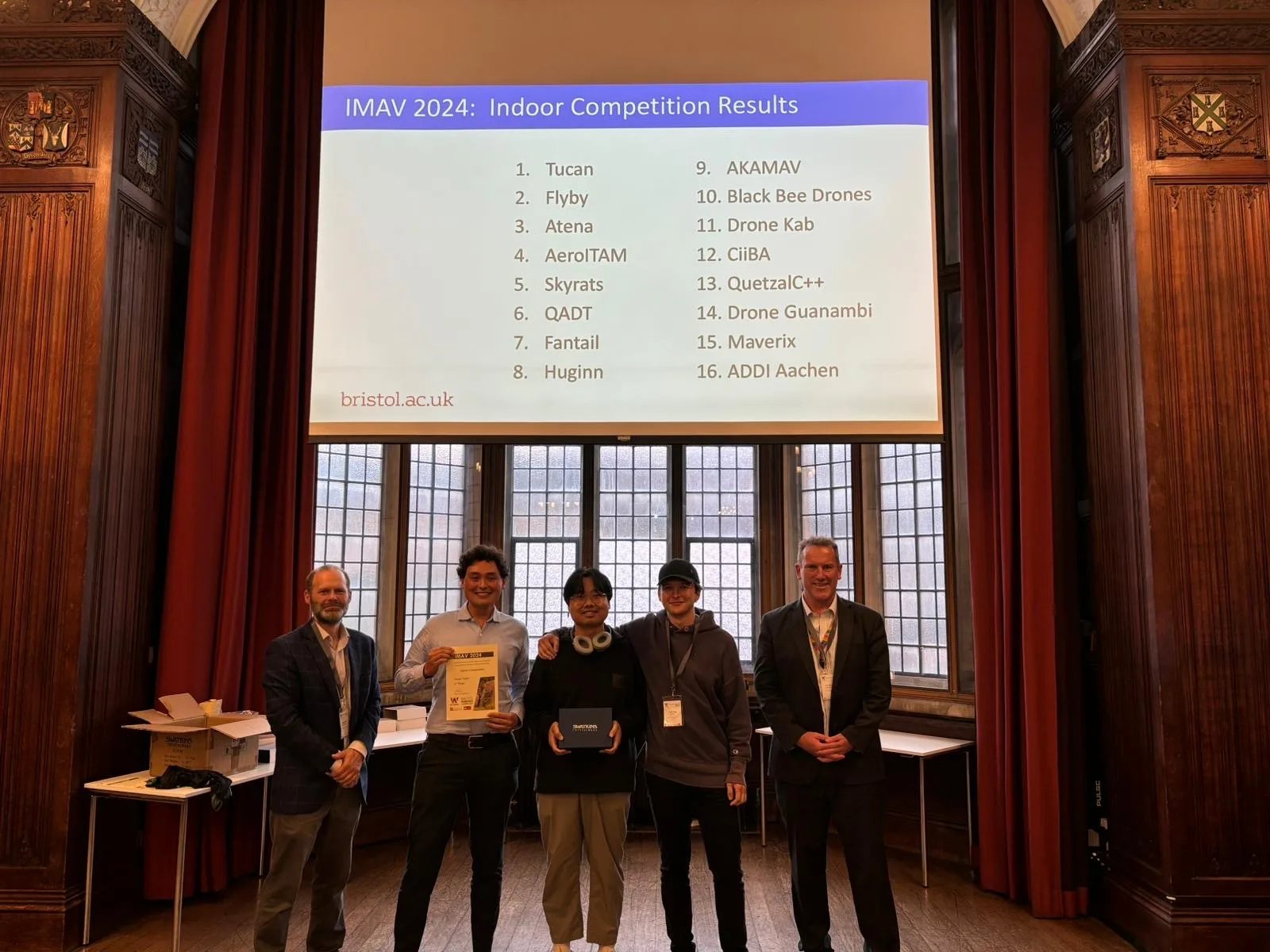
First place at the IMAV 2024 indoor competition
A TU Delft team project to develop and operate an autonomous drone for a wildlife-themed indoor mission involving navigation, precision landing, object interaction, and visual identification.
A chronological record of field robotics, team competitions, and aircraft projects that shaped Liming Zheng's practical approach to aerial robotics. Each project page describes the system, his contribution, and the main outcomes in more detail.
A TU Delft team project to develop and operate an autonomous drone for a wildlife-themed indoor mission involving navigation, precision landing, object interaction, and visual identification.
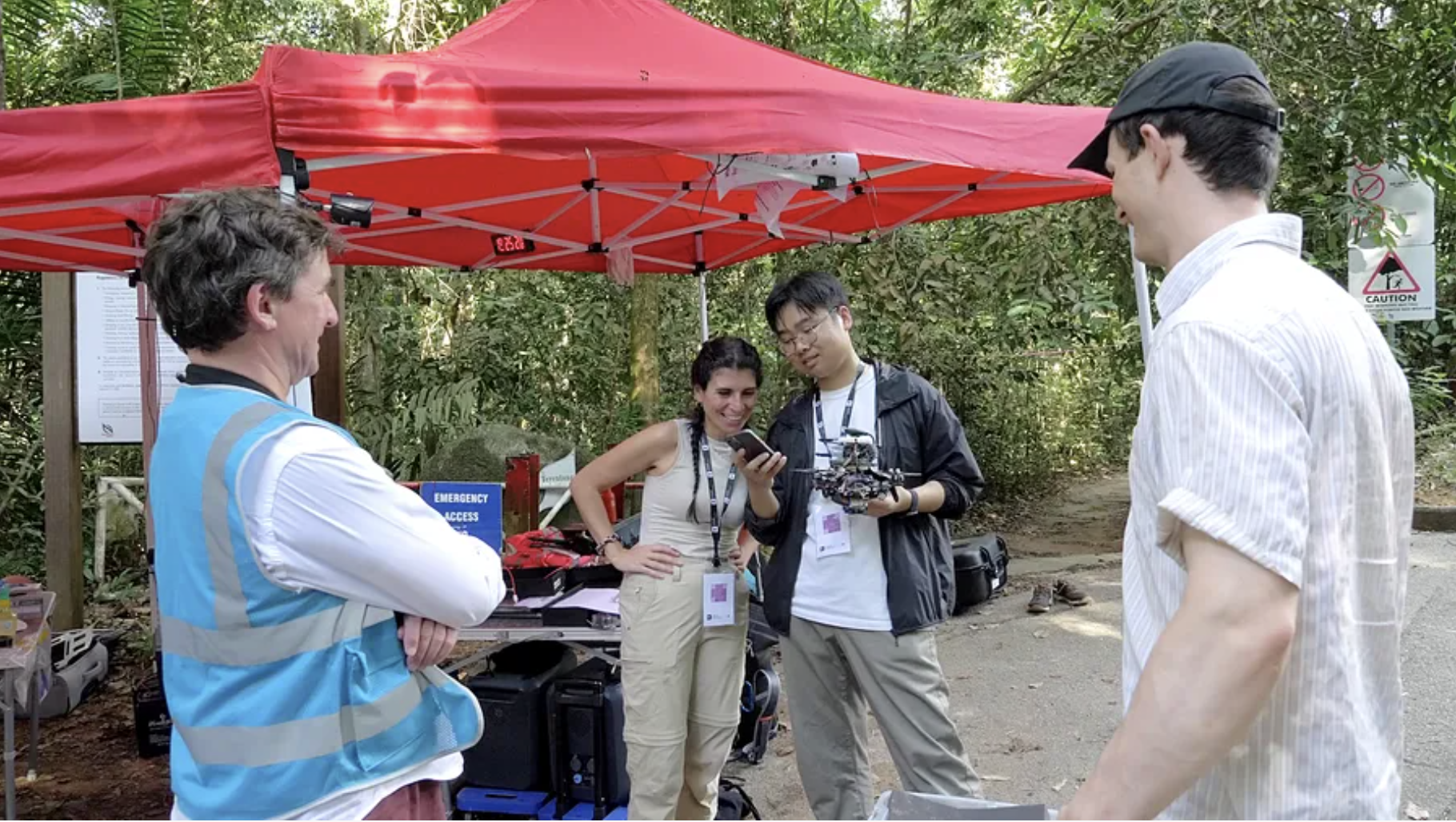
A field-robotics effort using aerial systems to help survey rainforest biodiversity. TU Delft contributed a branch-perching and bioacoustics drone platform to the ETHBiodivX team.
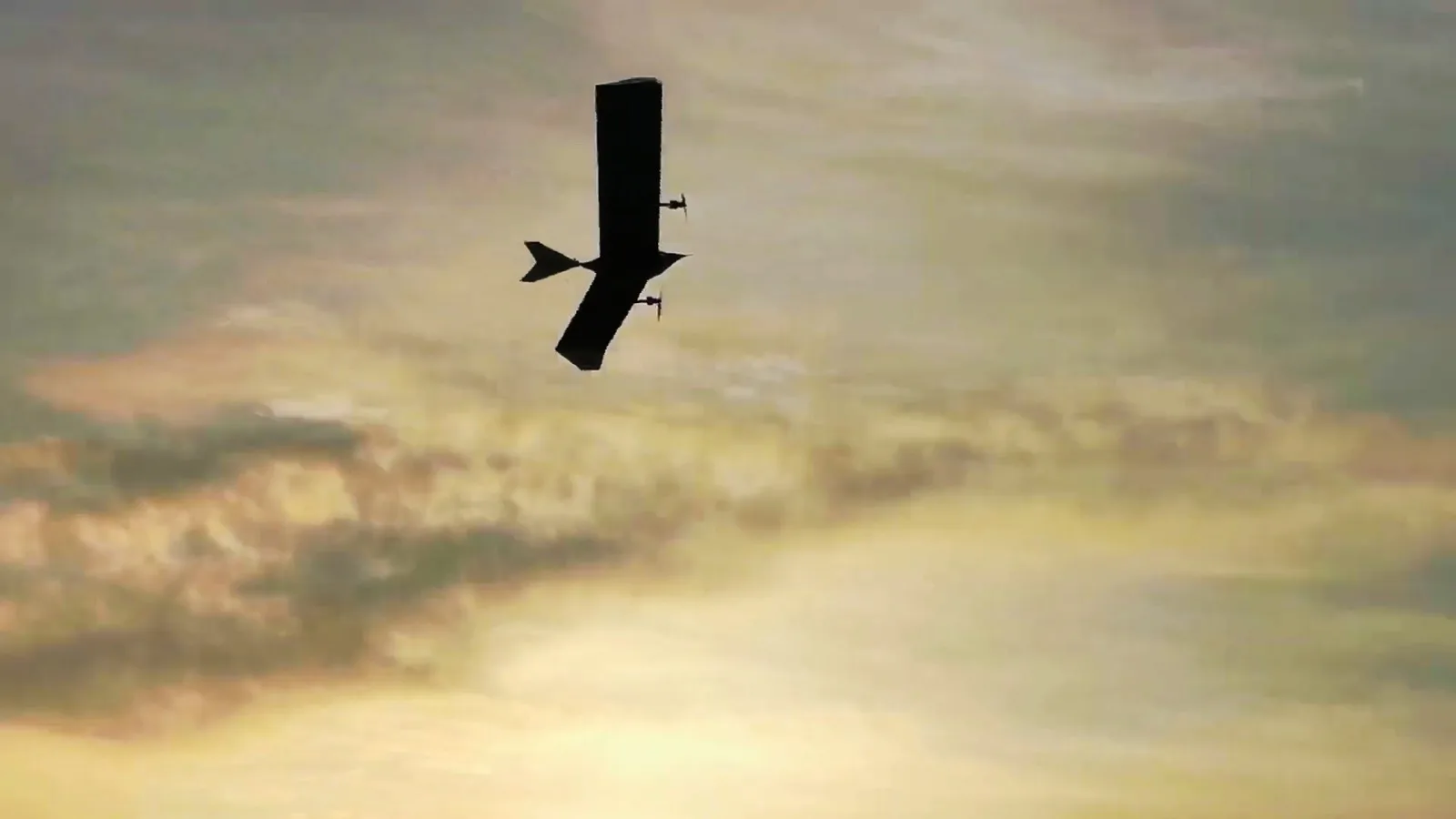
Liming's master's thesis investigated how a fixed-wing UAV could navigate through an unknown, time-varying thermal field while harvesting atmospheric energy. He developed a turbulent-convection environment, trained compact reinforcement-learning policies for three complementary flight modes, and combined them in a supervisory strategy that balanced exploration, energy gain, and arrival at the destination.
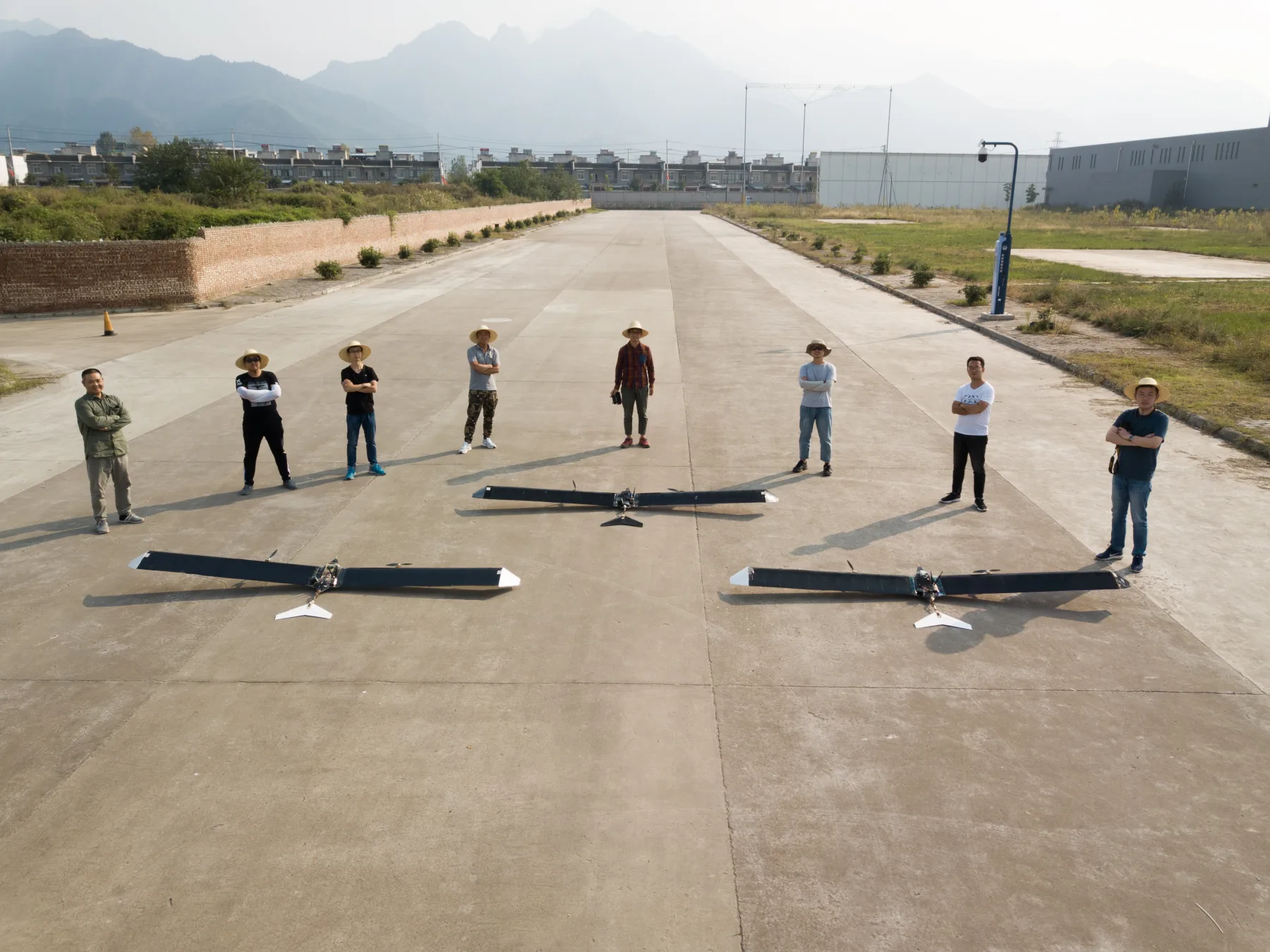
A quiet, long-endurance fixed-wing platform developed for ecological monitoring in high-altitude regions, including field testing in Tibet. The aircraft combined an albatross-inspired high-aspect-ratio configuration, solar power, a feather-inspired morphing tail, and early formation-flight experiments.
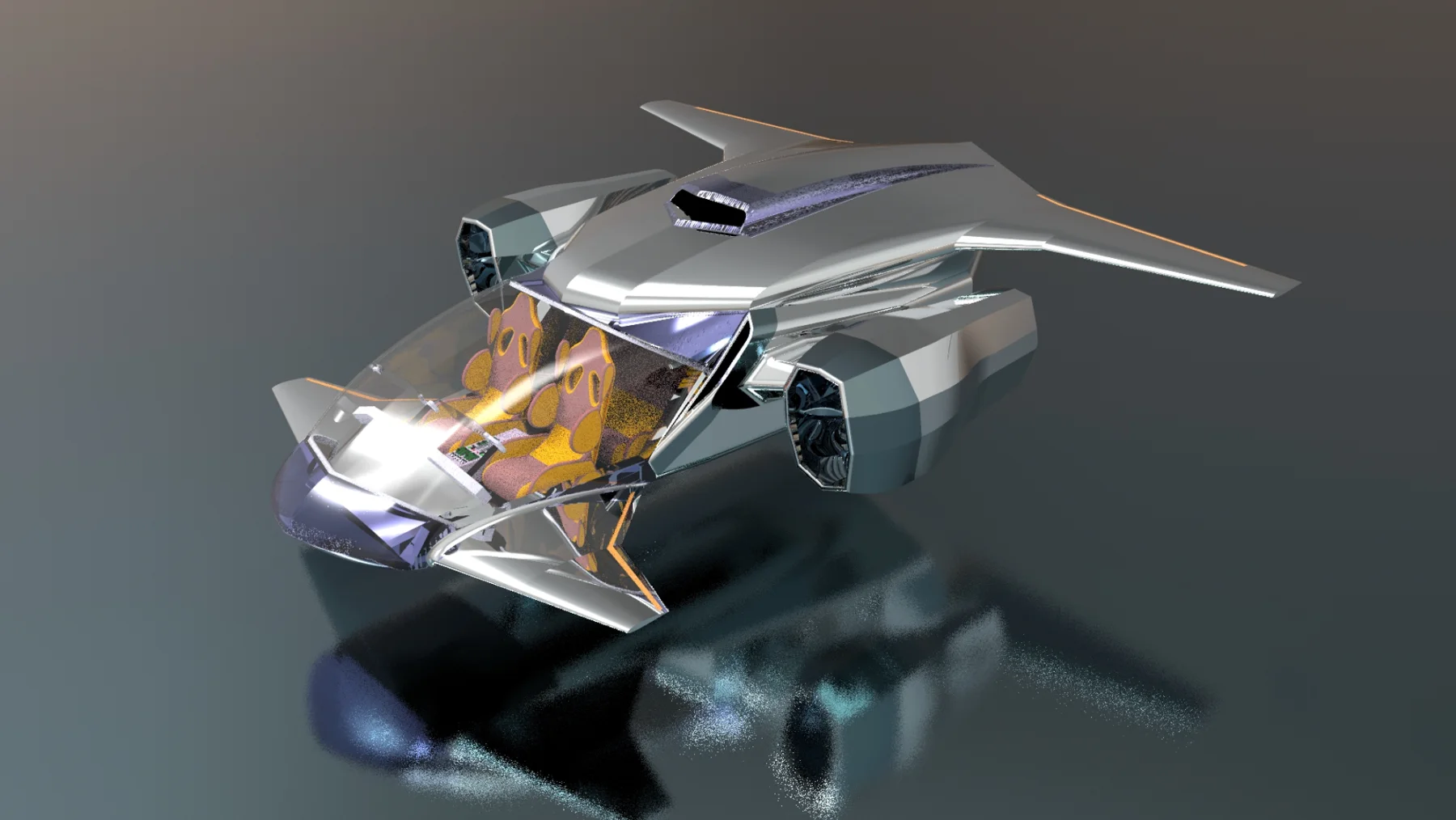
A conceptual four-seat urban aircraft combining tilting propulsion for vertical take-off and landing with blown-wing flow control. The design explored whether active flow control could reduce wing area and ground footprint while retaining useful lift and payload capability.
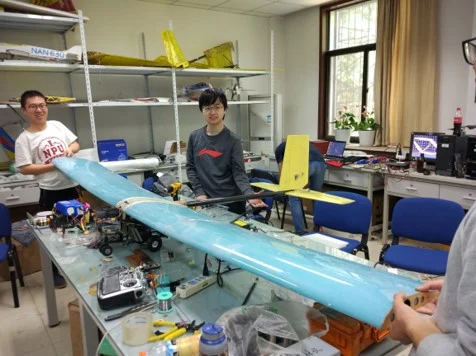
A rapid aircraft-development campaign for the international Air Cargo Challenge, where teams designed and built a fixed-wing aircraft around constrained propulsion, take-off distance, payload, and mission requirements. NPU Innovation placed sixth overall.
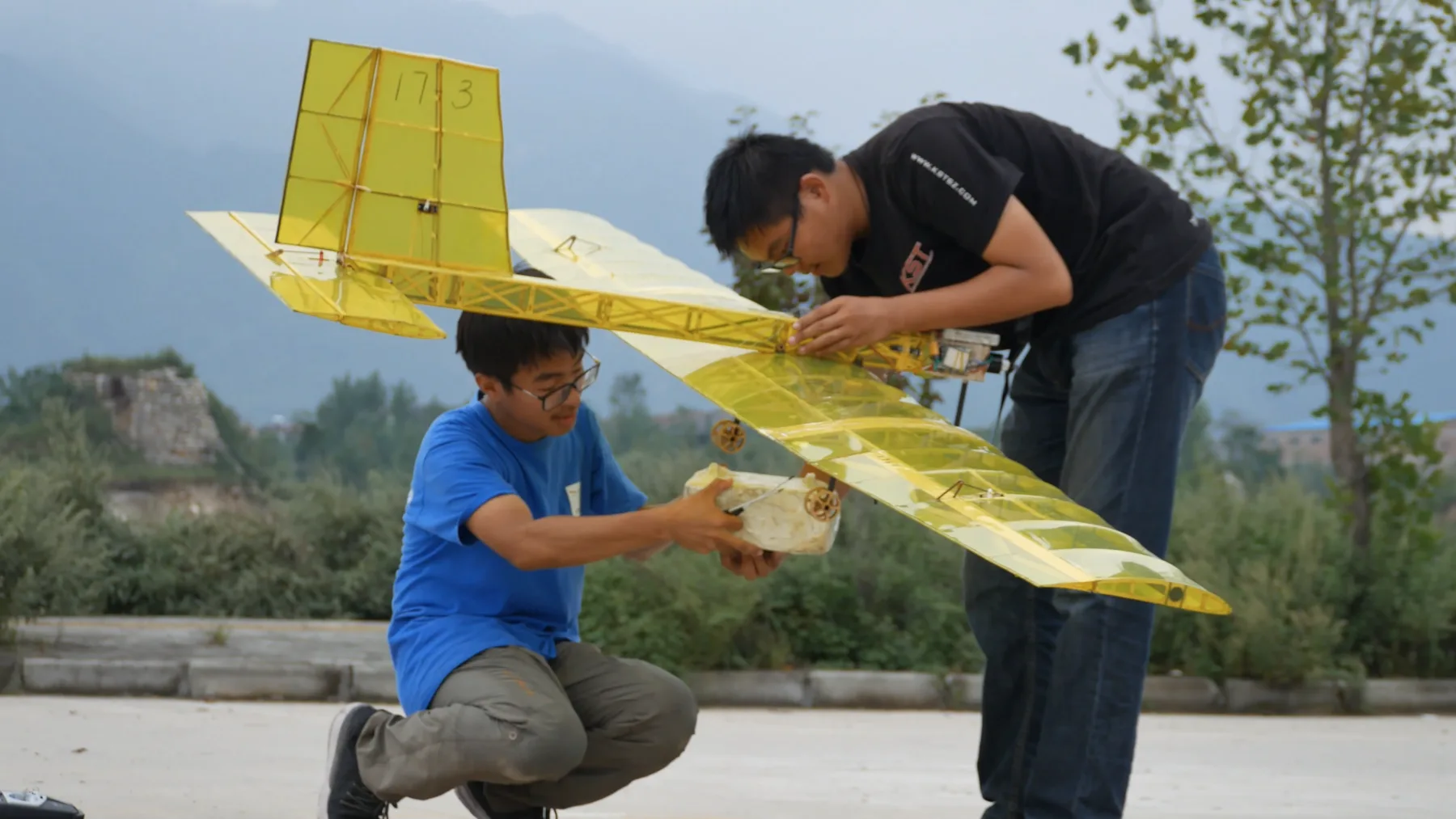
A cargo aircraft developed around an extreme mass-efficiency challenge: the airframe and onboard systems were limited to 1 kg, while take-off had to be completed within 25 m. Iterative structural and propulsion testing produced a platform capable of lifting a 6.4 kg payload.
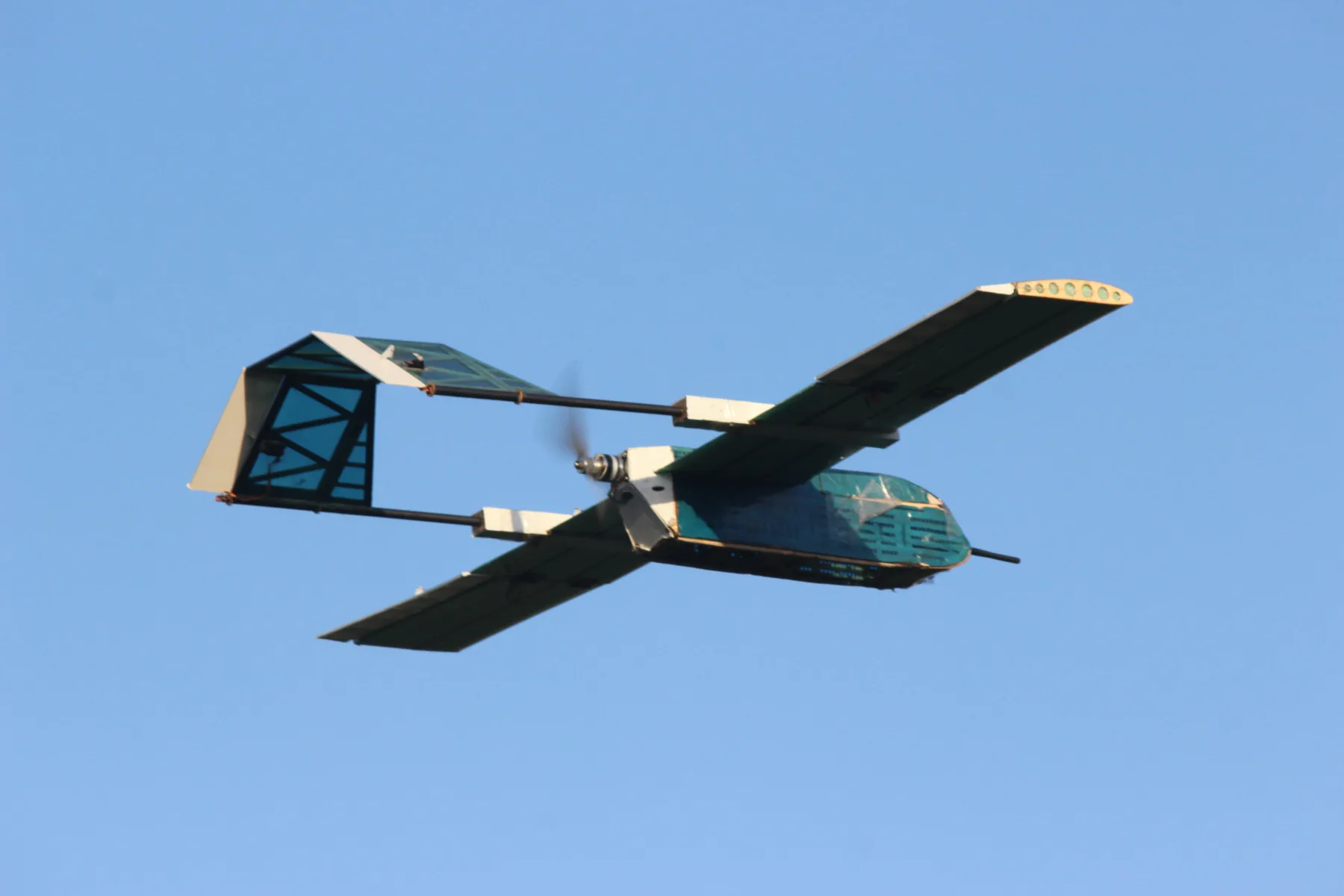
A hand-launched fixed-wing aircraft designed to fit with its mission equipment inside a compact transport case. Its three-section folding wing and tail layout enabled rapid deployment while retaining a stable airframe for reconnaissance, target identification, and payload delivery tasks.
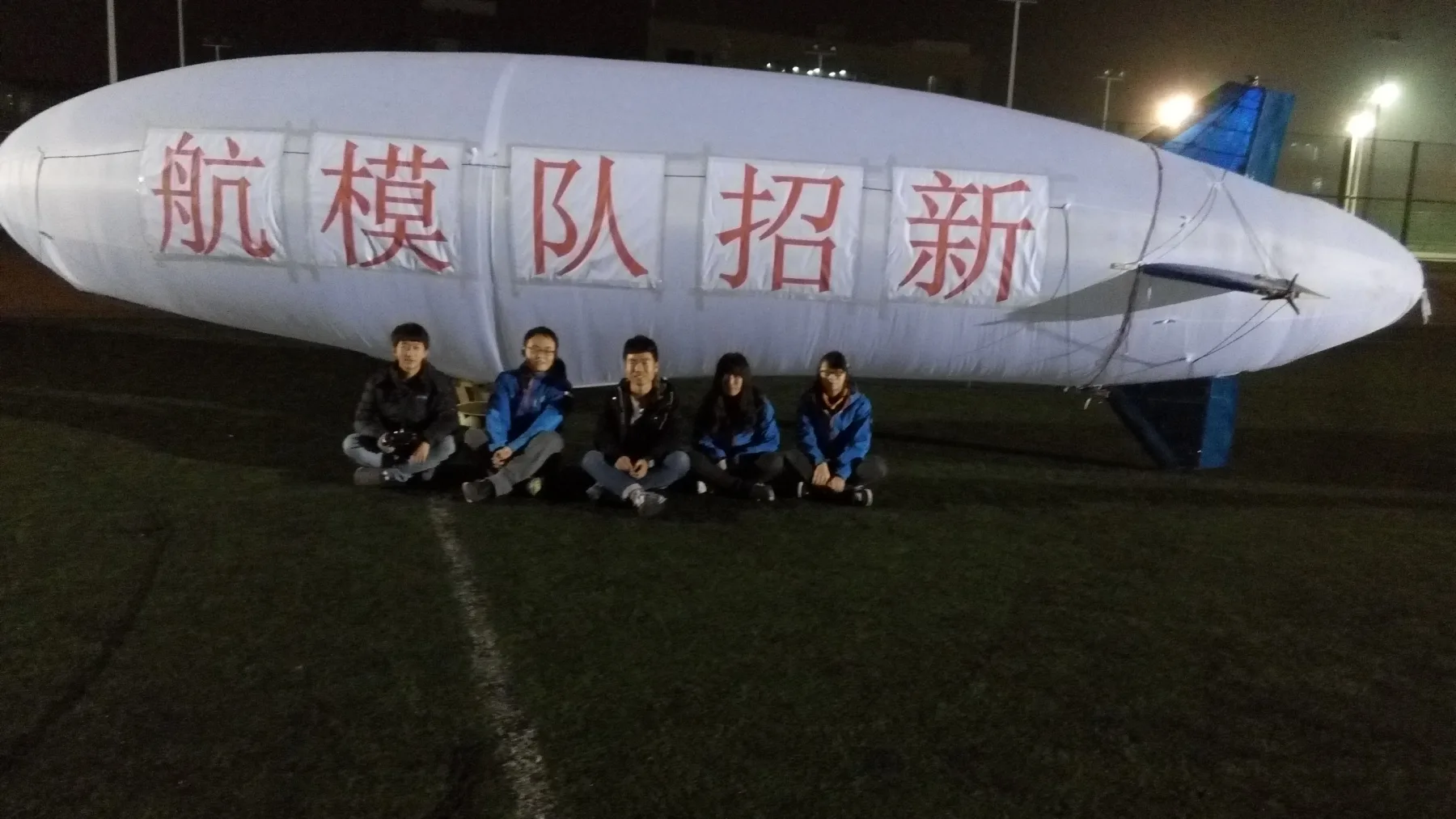
A 12 m airship developed as a long-endurance alternative to multirotors for aerial imaging and environmental monitoring. A tilting propulsion pod and three tail motors enabled vertical take-off, landing, and low-speed manoeuvring.